
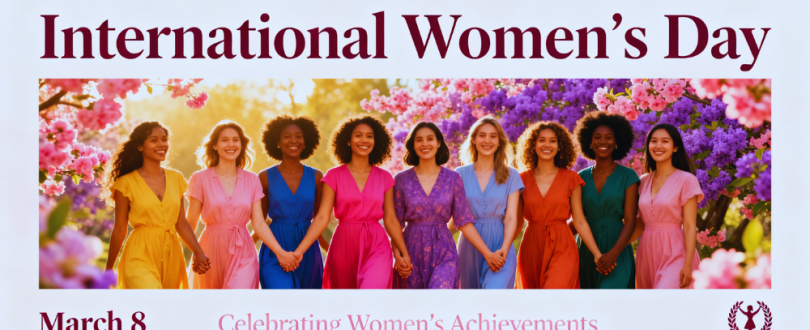
Every year on March 8, the world pauses to recognize the achievements, resilience, and contributions of women across every field—from science and politics to entrepreneurship, education, and community leadership. International Women’s Day is more than a celebration. It is a global reminder of the progress made toward gender equality—and the work that remains.
In 2026, International Women’s Day continues to unite millions of people across cultures, industries, and nations in honoring the strength and influence of women who shape our societies. Through stories of courage, innovation, and determination, the day highlights how women’s voices and leadership are transforming the world.
The History Behind International Women’s Day
The origins of International Women’s Day date back to the early 20th century, during a period of rapid industrialization and social change. Women around the world were increasingly advocating for better working conditions, voting rights, and equal opportunities.
The first official International Women’s Day was observed in 1911 in several European countries, following a proposal by German activist Clara Zetkin, who championed a global day dedicated to women’s rights. Over time, the movement spread across continents, becoming a powerful symbol of solidarity among women advocating for equality.
In 1975, the global recognition of the day expanded significantly when the United Nations began officially celebrating International Women’s Day as part of the International Women’s Year. Since then, observance has grown into a worldwide movement involving governments, businesses, nonprofits, and communities.
Today, International Women’s Day serves as both a celebration and a call to action—encouraging societies to recognize achievements while addressing ongoing challenges related to gender equality.
Celebrating Women Who Inspire Change
One of the most powerful aspects of International Women’s Day is its focus on storytelling. Around the world, the day highlights women whose leadership and courage inspire change in their communities.
Consider the achievements of trailblazers like Malala Yousafzai, who became a global advocate for girls’ education after surviving a violent attack for speaking out about the right to learn. Her story has inspired millions to support education for girls around the world.
In science and technology, women such as Katherine Johnson, the mathematician whose calculations were crucial to early space missions, remind us how women have contributed to groundbreaking discoveries—even when their work was not always recognized at the time.
Meanwhile, countless women whose names may never appear in history books continue to drive change at the local level. Teachers, healthcare workers, entrepreneurs, and activists help build stronger communities every day. International Women’s Day honors these everyday leaders who make a difference through dedication and perseverance.
Progress Toward Gender Equality
Over the past century, the global landscape for women has changed dramatically. Many countries now recognize women’s rights to vote, pursue education, own property, and participate in leadership roles.
Women today are increasingly visible in fields that were once dominated by men. From politics and business to engineering and media, female leaders are breaking barriers and reshaping industries.
In politics, leaders such as Jacinda Ardern demonstrated a modern style of leadership focused on empathy, transparency, and inclusive governance. Her tenure as prime minister of New Zealand showed how women in power can redefine leadership and inspire future generations.
Education has also expanded significantly for girls worldwide. According to global development organizations, millions more girls are attending school today than in previous decades—a shift that has profound long-term benefits for communities and economies.
These achievements highlight how sustained advocacy, policy changes, and social awareness have contributed to meaningful progress.
Challenges That Still Remain
Despite the advances made over the past century, gender equality remains an ongoing global challenge.
Women in many parts of the world still face barriers related to economic opportunities, political representation, and access to healthcare and education. In the workplace, women often encounter wage gaps and fewer opportunities for leadership roles.
Social and cultural expectations can also limit opportunities for women and girls. Addressing these challenges requires continued efforts from governments, organizations, and individuals.
International Women’s Day serves as a reminder that equality is not only about recognizing achievements but also about ensuring that future generations of women have the same opportunities to succeed.
How People Around the World Celebrate
International Women’s Day is celebrated in many different ways across the globe. Some countries organize public events, marches, and conferences focused on women’s rights and leadership.
Businesses and organizations often highlight female employees and leaders, sharing their stories and contributions. Schools and universities host discussions and workshops that encourage students to explore issues related to gender equality.
Social media has also become an important platform for International Women’s Day, allowing people worldwide to share stories, recognize influential women, and support campaigns that promote women’s empowerment.
In some places, the day includes cultural traditions such as giving flowers or hosting community gatherings to honor the women who play important roles in families and communities.
Why International Women’s Day Still Matters
International Women’s Day remains relevant because it brings attention to both progress and inequality. While many achievements deserve recognition, the journey toward full gender equality continues.
The day encourages reflection on how societies can create environments where women and girls are empowered to pursue their ambitions without barriers. It also highlights the importance of supporting policies, education, and leadership opportunities that promote inclusion.
Perhaps most importantly, International Women’s Day reminds us that meaningful change often begins with individuals—people who challenge unfair systems, support one another, and advocate for a more equitable future.
Looking Ahead
As the world celebrates International Women’s Day 2026, the stories of strength, progress, and change continue to grow. Every generation of women builds on the efforts of those who came before them, pushing boundaries and opening doors for others.
The future of gender equality will depend on sustained collaboration between communities, governments, and organizations worldwide. By recognizing achievements, supporting new leaders, and continuing the conversation about equality, International Women’s Day helps move the world closer to a more inclusive future.
On March 8, the celebration is not only about honoring women’s contributions—it is about reaffirming a shared commitment to opportunity, dignity, and respect for women everywhere.
Frequently Asked Questions (FAQ)
1. What is International Women’s Day and why is it celebrated?
International Women’s Day is a global celebration held every year on March 8 to recognize the social, economic, cultural, and political achievements of women. The day also highlights ongoing efforts to achieve gender equality and encourages communities, organizations, and governments to support women’s rights around the world.
2. When did International Women’s Day begin?
The origins of the celebration trace back to the early 20th century during a period of rapid industrialization and social change. It was officially recognized by the United Nations in 1977, which helped establish it as a worldwide observance promoting gender equality and women’s empowerment.
3. How do people celebrate International Women’s Day?
People mark the day in many ways, including community events, panel discussions, educational programs, social media campaigns, and workplace initiatives that highlight women’s achievements. Many organizations also use the occasion to launch programs supporting women’s leadership, education, and economic opportunity.
4. What is the purpose of International Women’s Day today?
While it celebrates progress, the day also raises awareness about ongoing challenges such as gender pay gaps, unequal access to education, and barriers to leadership. International Women’s Day serves as both a celebration and a call to action for continued progress toward gender equality.
5. How can individuals support International Women’s Day?
Individuals can participate by learning about women’s contributions to society, supporting women-led businesses, advocating for equal opportunities, attending local events, and amplifying voices that promote gender equality. Even small actions—such as sharing stories or supporting community initiatives—can help advance the broader mission of the day.


