
If the past decade of U.S. immigration policy felt like a slow evolution, 2025–2026 marks something very different: a hard pivot.
Across the board—tourist visas, work permits, asylum, and enforcement—the system is becoming stricter, slower, and more security-driven. A combination of executive actions, new policies from U.S. Citizenship and Immigration Services (USCIS), and expanded enforcement measures has reshaped how people enter, stay, and work in the United States.
The result? A system that is no longer just bureaucratic—it’s strategically restrictive.
The Policy Shift: Why U.S. Immigration Is Tightening
At the core of this transformation is a clear policy direction: “security first.”
In late 2025, the U.S. government introduced sweeping changes that signaled a shift from incremental reform to a more aggressive immigration posture. A key moment came with a Presidential Proclamation on December 16, 2025, which triggered enhanced screening measures and stricter entry controls.
This wasn’t an isolated move. It was part of a broader effort to:
– Reduce discretionary approvals
– Increase in-person vetting
– Expand enforcement authority
Policy analysts describe this period as a turning point, where immigration policy began prioritizing risk reduction over accessibility.
Visas and Entry: Higher Barriers, Deeper Scrutiny
Enhanced Vetting Is the New Normal
Applying for a U.S. visa now involves more than paperwork. Applicants are facing:
– More in-person interviews
– Expanded background checks
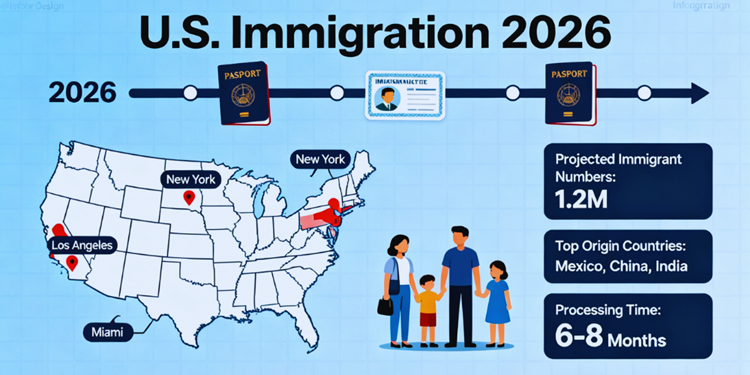
– Increased processing times
Even traditionally straightforward visa categories—like tourist or family-based visas—are seeing higher scrutiny and lower approval predictability.
Country-Based Restrictions Are Expanding
The U.S. is also scaling a travel-ban-style framework, targeting specific countries with:
– Slower visa processing
– Additional documentation requirements
– In some cases, partial or full restrictions
These measures are often framed as “security reviews,” but their impact is clear: access is narrowing based on nationality.
The $15,000 Visa Bond: A Financial Filter
One of the most striking developments is the introduction of a $15,000 visa bond for certain B1/B2 (tourist/business) applicants.
Here’s how it works:
– Applicants from designated countries may be required to pay a refundable bond
– The bond is returned if they comply with visa terms
– The goal is to reduce visa overstays
In practice, this policy introduces a significant financial barrier, effectively filtering applicants based on perceived risk.
Student Visas May Be Getting a Reset
International students could also face major changes. Proposed reforms suggest moving away from the flexible “duration of status” model toward fixed-term visas (e.g., up to four years).
If implemented, this would mean:
– More frequent renewals
– Less flexibility for students
– Increased uncertainty for long-term study plans
Asylum and Humanitarian Pathways: From Protection to Deterrence
If there’s one area where tightening is most visible, it’s asylum.
Slower Decisions, Growing Backlogs
A nationwide slowdown—or effective pause—on asylum adjudications has left many applicants in limbo. Cases are taking longer, and uncertainty is growing.
New Costs and Faster Denials
Recent changes include:
– Introduction of asylum-related fees
– Faster “early denial” procedures
These measures make it harder for applicants—especially those with limited resources—to pursue protection.
Third-Country Deportation Mechanisms
New policies also allow for deportation to third countries under certain conditions, reducing the likelihood that asylum seekers can remain in the U.S. while their cases are processed.
The Bigger Picture
Together, these changes signal a shift away from traditional humanitarian principles toward a deterrence-based system—one designed to reduce the number of incoming claims.
Work Visas: More Selective, More Expensive
Legal immigration through employment is still open—but it’s getting harder to access.
H-1B Visa Overhaul
The H-1B visa program is being restructured to prioritize:
– Higher salaries
– More specialized roles
Instead of a random lottery, selection may now favor applicants with higher wage offers, aligning immigration with economic value.
Rising Costs for Employers
Sponsoring foreign workers is becoming significantly more expensive:
– New or increased filing fees
– Potential charges reaching tens of thousands of dollars per petition
For many companies, especially smaller ones, this creates a financial barrier to hiring international talent.
Increased Compliance and Scrutiny
Employers and applicants are also facing:
– More audits and compliance checks
-Stricter green card evaluations for certain nationalities
The result is a system that prioritizes fewer, higher-value applicants.
Enforcement: Expanding Beyond the Border
Immigration enforcement is no longer just about the border—it’s now nationwide.
More Agents, More Detention Centers
The government is investing in:
– Hiring more enforcement officers
– Expanding detention facilities
– Increasing operational capacity
Stronger Local Coordination
Federal agencies are working more closely with local law enforcement, enabling:
– Arrests through local jail systems
– Faster identification of undocumented individuals
Impact on Communities
In cities with large immigrant populations, reports of increased enforcement actions have led to:
– Community disruption
– Political backlash
– Heightened fear among undocumented residents
A Strategic Shift
This marks a move toward interior enforcement, targeting not just new arrivals but individuals already living in the U.S.
What This Means for Immigrants and Applicants
Across all categories, the direction is clear: more friction at every step.
Key Impacts
– Longer processing times
– Higher costs (fees, bonds, legal expenses)
– Increased risk of delays or denials
Who Is Most Affected
– Tourist visa applicants facing financial barriers
– Asylum seekers are dealing with delays and stricter rules
– International students navigating uncertain visa terms
– Skilled workers and employers are confronting higher costs
FAQ: Quick Answers to Common Questions
Is U.S. immigration harder in 2026?
Yes. Policies across visas, asylum, and enforcement have become stricter and more complex.
What is the $15,000 visa bond?
It’s a refundable financial requirement for certain visitor visa applicants, designed to prevent overstays.
Are work visas still available?
Yes, but they are more selective, more expensive, and increasingly focused on high-skilled roles.
Are processing times longer now?
In many cases, yes—due to increased vetting and policy changes.


